
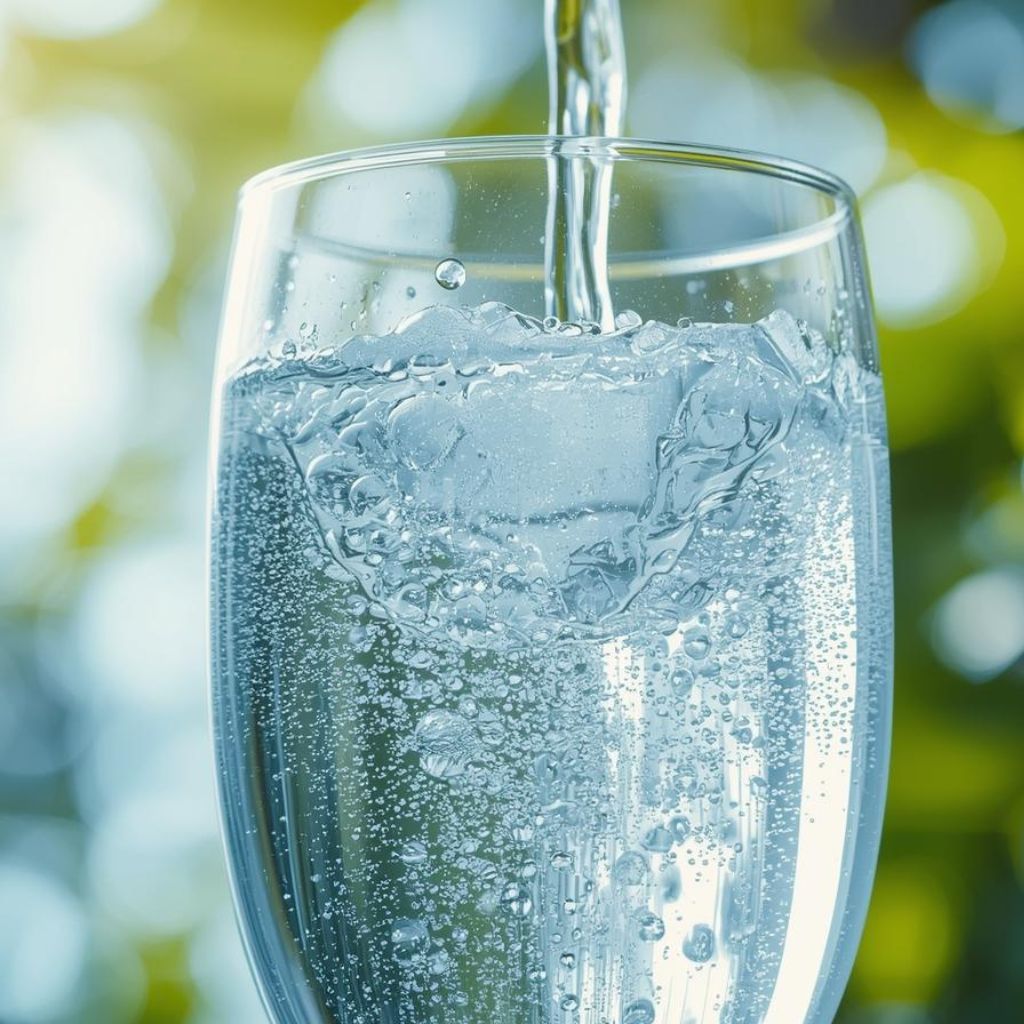
Water as the foundation of holistic care
Water is the most basic element and, at the same time, one of the most determining for the health of the body. Our organism is largely composed of water, and its quality directly influences essential processes such as cellular hydration, toxin elimination, and the overall balance of the system.
However, we do not always pay attention to the type of water we are consuming.
The quality of tap water
In many countries, tap water is considered potable, but this does not necessarily mean it is optimal for long-term daily consumption.
Depending on the region, water may contain:
residual chlorine and its derivatives
heavy metals in small concentrations
traces of pesticides or industrial contaminants
by-products from water treatment
All of this may be within legal limits, but not always ideal from a preventive and conscious perspective.
The importance of filtering water
Over time, I have chosen to incorporate water filtration systems into my daily life. Not as an extreme measure, but as a simple act of care.
The use of appropriate filters can help to:
reduce chlorine and associated compounds
decrease the presence of certain heavy metals
improve the taste and perceived quality of the water
This small change has been, in my experience, one of the simplest yet most meaningful habits.
Bottled water and plastic: a necessary reflection
Many people choose bottled water as an alternative. However, the continued use of plastic bottles raises some important questions.
Various studies have pointed to the presence of microplastics in bottled water, as well as the possible migration of chemical compounds from the container into the water, especially when bottles are stored for long periods or exposed to heat.
Beyond the impact on health, there is also an environmental dimension that is worth considering.
To explore further: studies and reference sources
For those who wish to explore this topic more deeply, here are some recognized sources where water quality, microplastics, and the impact of plastic on human consumption have been studied:
World Health Organization
Reports on drinking water quality and emerging contaminants.
National Institutes of Health
Studies on drinking water, filtration, and exposure to chemical substances.
European Environment Agency
Analyses on water, plastics, and environmental health.
Orb Media
Independent investigations on microplastics in bottled and tap water.
(Links can be added directly to the organization names and set to open in a new tab.)
Closing · Listening and discernment
Holistic care is not about following rigid rules, but about developing a conscious relationship with what we bring into our body and our life.
Water is just the first topic in this section.
A simple, everyday, and deeply revealing starting point.
Each habit is an invitation to listen to ourselves more deeply.
And each choice is a form of loving responsibility toward oneself.
✨ Editorial note
The information shared in this section does not replace medical or professional advice. Its purpose is to inspire reflection, awareness, and personal discernment.